This is the English version of an article first published in Polish: read the Polish original. It refers to source material: wilanow-palac.pl. The text is our own commentary, not a translation or copy of that source.
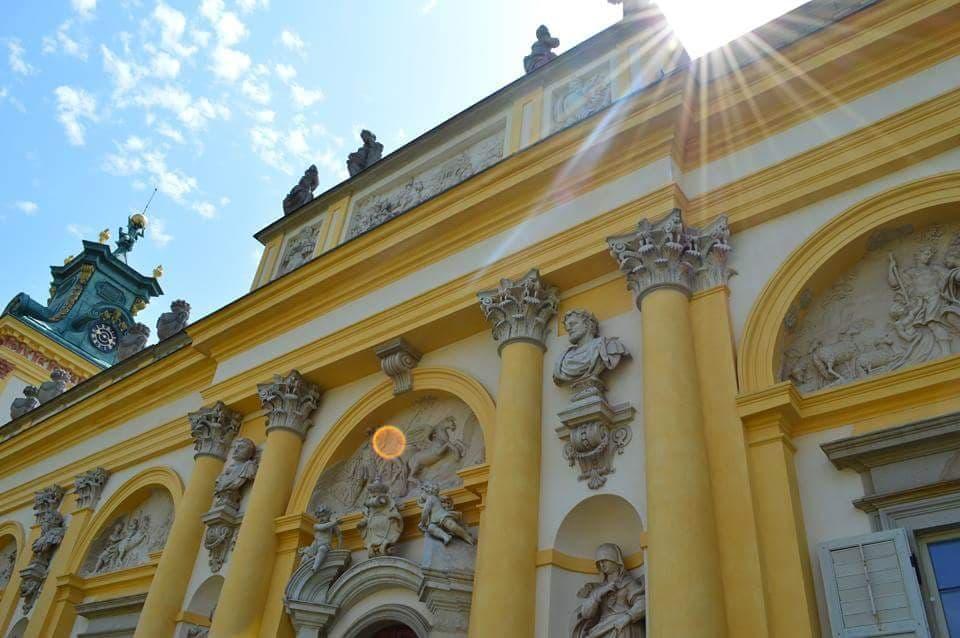
This Monday, August 10, the Museum of King John III's Palace at Wilanów opens its doors in a mode that does not appear on the regular visiting schedule. Between 4pm and 6pm, entry goes only to individual visitors, and tickets are sold until 5pm. These are Quiet Hours, a programme aimed at people for whom visiting in a crowd, under full lighting and at the usual noise level, can be too much to handle. On these afternoons the palace lets in fewer visitors at once, reduces sound and light stimuli, and aims for an intimate, unhurried atmosphere rather than the usual pace.
Quiet Hours are not a one off event. This year the museum has set eight such dates, all Mondays: March 9, April 13, May 11, June 8, July 6, August 10, September 7 and October 5. Anyone who misses the August slot still has two more before the season ends.
Sensory backpacks available at the cloakroom
Beyond Quiet Hours themselves, the museum has for some time offered a standing option for children who find the historic interiors overwhelming. Crowds, noise and a buildup of stimuli can spoil a visit even for an otherwise willing child. At the palace cloakroom, visitors can borrow a sensory backpack free of charge. Inside is a set of things to occupy hands and attention: a rubber pop it toy for pressing bubbles, hard rubber balls for squeezing and a relaxing massage, Rubik's cube style puzzles, and plush toys. None of it requires booking ahead. The backpack is simply picked up on site before entering.
The museum has also prepared materials to support alternative communication: cards and guides with pictograms that help nonverbal visitors find their way around the visiting route. Educators who lead workshops are trained to work with people who have special needs, whether motor, sensory, intellectual or combined, so the offer extends beyond the palace itself into the workshop programme too.
For families in Wilanów, who live literally minutes from the palace, this is practical, useable information. If a child struggles with crowds, or an ordinary visit tends to end in overload, a Monday afternoon slot is worth planning for instead of skipping the palace altogether. The full scope of the museum's accessibility offer is listed on wilanow-palac.pl, under the Education section.