This is the English version of an article first published in Polish: read the Polish original. It refers to source material: Regionalna Dyrekcja Ochrony Środowiska w Warszawie. The text is our own commentary, not a translation or copy of that source.
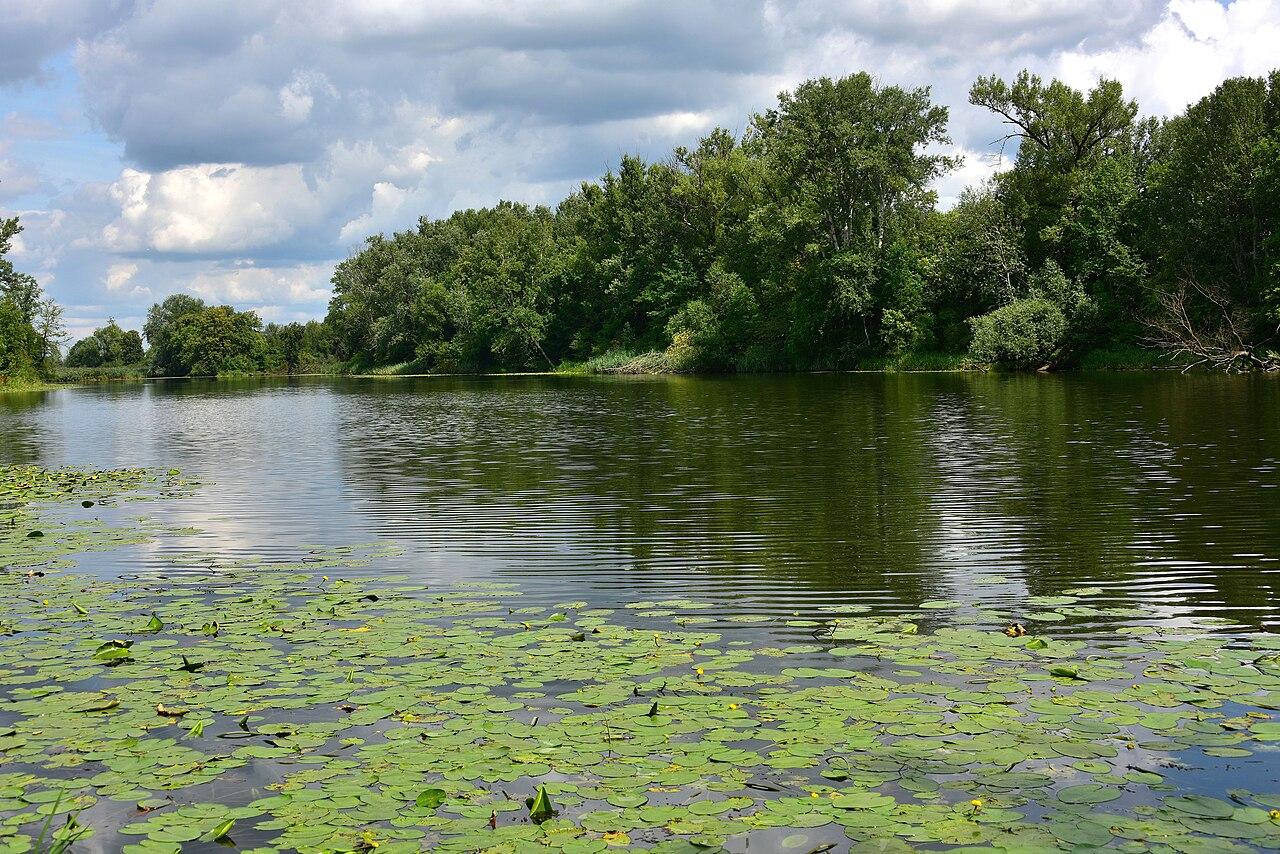
Behind the gardens of the Palace in Wilanów, between Jezioro Wilanowskie, the Wilanówka river and the Kanał Sobieskiego, grows a forest most residents of the district know nothing about. It is the Morysin nature reserve, a stretch of the Vistula valley over fifty hectares in size, holding trees whose oldest specimens are more than two hundred years old. The name comes from Maurycy, grandson of Aleksandra and Stanisław Kostka Potocki, whom the family nicknamed Moryś.
Until the early nineteenth century the area served as a game reserve for the owners of Wilanów. It was Stanisław Kostka Potocki who did away with the hunting ground and turned the wild thickets into a romantic park, used by successive owners of the palace right up to the outbreak of the Second World War. The reserve itself was established in 1996 to protect exactly that fragment of riparian forest and the old Vistula riverbed. The protected area covers 53.4565 hectares, counting the park, the lake's northern bay and the island on it, with a further buffer zone of over 254 hectares drawn around it. The dominant species here are common ash, English elm, wych elm and black poplar.
Open since 2014, but few people bother
Until 2014, entering Morysin without permission from the Regional Director for Environmental Protection was strictly forbidden. Today individual access is free, but strict rules still apply: within the reserve visitors may move only along the marked trails, set out in the director's order from July 2016, on foot or by bike, and dogs are not allowed. Access is via a side branch off ul. Vogla near ul. Europejska, or a narrow forest path that continues ul. Ruczaj, open to pedestrians only. Despite the open access, the reserve remains one of the least visited places in Wilanów, perhaps precisely because the way in is not obvious and none of the entrances are visible from a main street.
For those who would rather take their first walk with someone who knows what to look for, the Palace Museum in Wilanów runs a cycle called "Rok w Morysinie" (A Year in Morysin), field meetings with naturalists and enthusiasts. This year participants learned to spot the reserve's birds with ornithologist Sławomir Kasjaniuk, explored mosses and vascular plants with botanist Patryk Werner, and joined a family walk dedicated to the amphibians and reptiles wintering in the buffer zone. From February 13 to 27, 2026, part of the trails were temporarily closed for the removal of hazardous trees, so it is worth checking the museum's news before setting out, rather than assuming the reserve is open without exception all year round.