This is the English version of an article first published in Polish: read the Polish original. It refers to source material: Super Express. The text is our own commentary, not a translation or copy of that source.
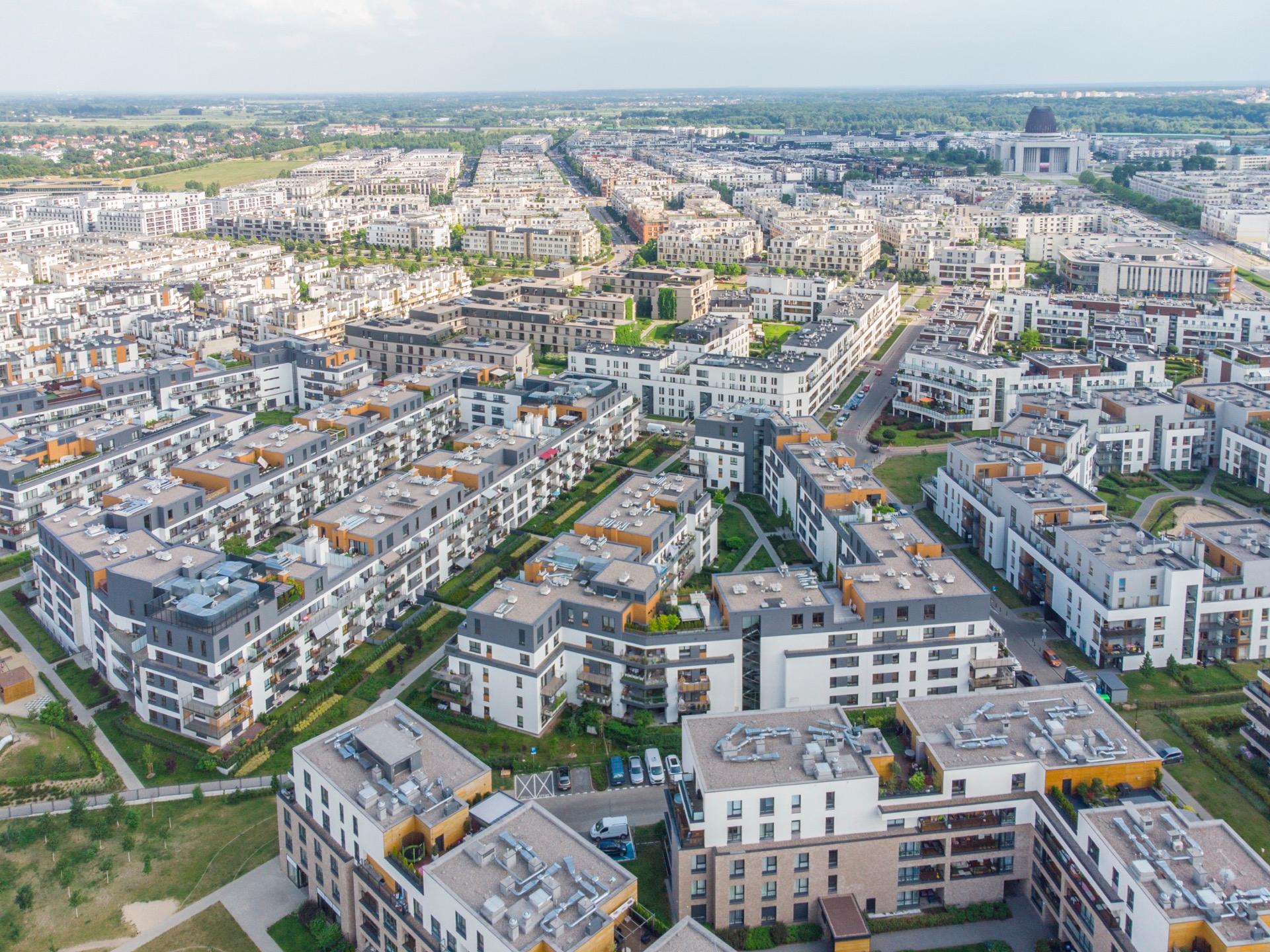
A two hectare plot at the corner of Aleja Rzeczypospolitej and ulica Sejmu Czteroletniego in Miasteczko Wilanow, right next to the Temple of Divine Providence, will not get another housing estate. On Tuesday, October 13, the Supreme Administrative Court upheld Warsaw's cassation complaint and defended the local zoning plan that has reserved this land for public services rather than housing for years. The ruling ends a years long dispute between the city and the Spanish developer Acciona, which has already built several housing projects in Wilanow and hoped to add one more here.
The dispute goes back to 2018
Warsaw's city council adopted the zoning plan for this part of Miasteczko Wilanow on August 30, 2018. The document reserved the plot for a school, a kindergarten, a nursery, a library or a cultural centre, not for residential buildings. A year later, in July 2019, the mayor of Warsaw refused to approve the developer's building project and refused the building permit. Acciona appealed that decision, and the Voivodeship Administrative Court in Warsaw, in case VII SA/Wa 1097/25, sided with the company and ruled the local plan invalid. The city did not give up, it filed a cassation complaint with the Supreme Administrative Court, which has now reversed that ruling.
Ludwik Rakowski, the mayor of the Wilanow district, wrote on social media that this is a win for the district, though he added that the city still needs to acquire the plot from the developer. Acciona's lawyer, Rafal Debowski, told "Gazeta Wyborcza" that since the city reserved private land for public use, it should simply buy it. The company also expects Warsaw to withdraw its own appeal against a ruling that already ordered it to pay for the property, and wants the city to set aside money for a school in its multi year financial forecast.
For residents of Miasteczko Wilanow, where apartment blocks have gone up faster than school and kindergarten places in recent years, this is a concrete, if still uncertain, promise. The plan allows a school, a cultural centre or a sports facility on this plot, but the city has not yet decided what exactly will be built there. Before that happens, it first has to settle the price with the developer for land it reserved for purposes other than housing in the first place.