This is the English version of an article first published in Polish: read the Polish original. It refers to source material: Regionalna Dyrekcja Ochrony Środowiska w Warszawie. The text is our own commentary, not a translation or copy of that source.
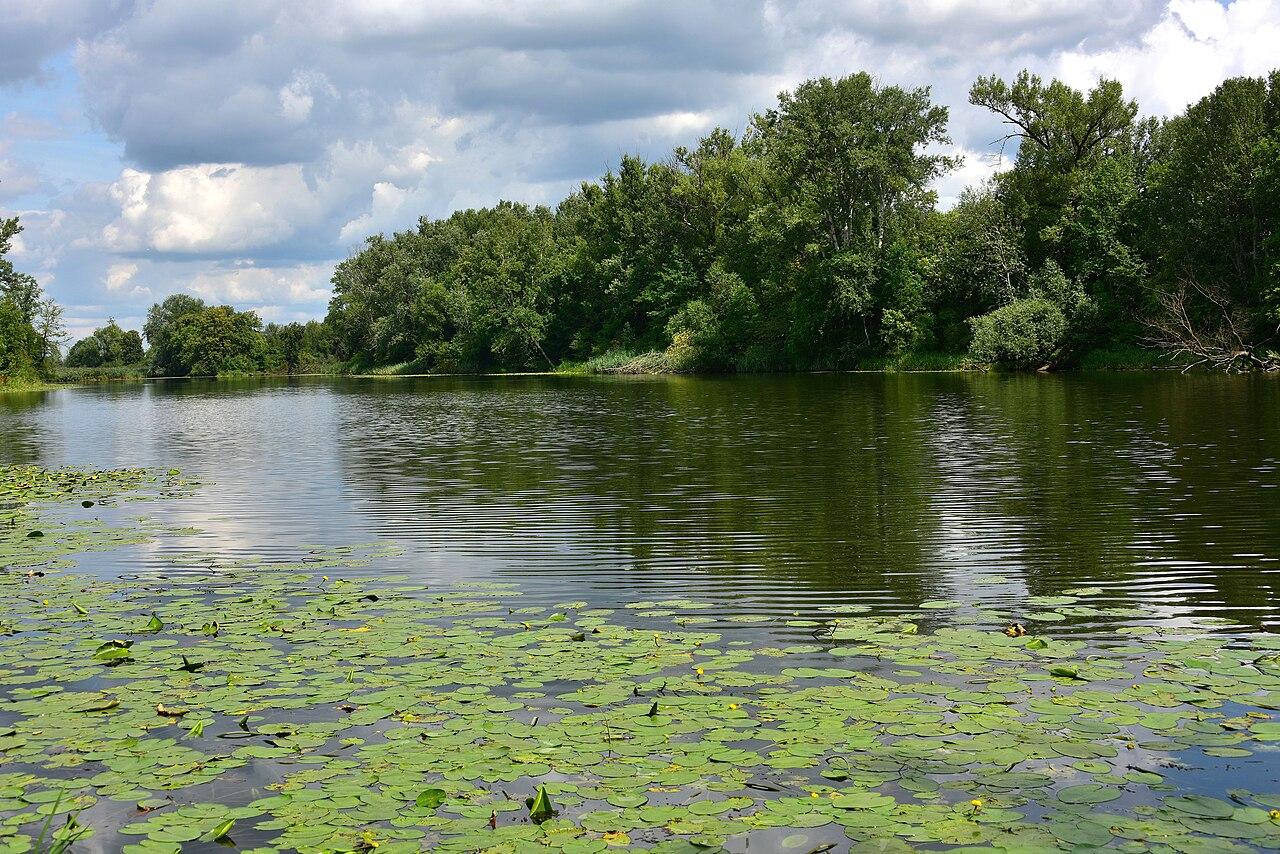
A good number of Wilanów residents pass Jezioro Wilanowskie, Wilanów Lake, every day, walking along the palace park or cycling toward Morysin, and few know that this narrow strip of water carries almost three hundred and fifty years of history. The lake covers 13.4699 hectares, stretches up to 1.6 kilometres in length, measures between 35 and 100 metres across and reaches a depth of 6.8 metres. Geologists classify it as a Vistula oxbow, an old riverbed cut off from the main current, rather than a lake in the strict, natural sense.
The water a king redesigned
Since the end of the seventeenth century, the lake has been part of the palace and park composition built for Jan III Sobieski. It formed a water link between the Wilanów garden and Morysin park on the other bank, where the king kept his own hunting grounds, a densely forested stretch of marshy land where he hunted waterfowl and game. That same area is now protected as the Morysin nature reserve, established in 1996 to preserve the centuries old riparian forest growing along the oxbow.
The water network around the lake still works roughly as it was designed centuries ago, except today it depends on the weather as much as on the original engineering. The lake is fed by Potok Służewiecki, and its water flows out through the roughly 800 metre Kanał Sobieskiego into the Wilanówka river and on to the Vistula. In the summer of 2026, during the driest first half of a year on record in Poland, that same system showed how fragile the balance is, as water levels in the Wilanówka fell visibly.
For wildlife, the lake and its neighbouring reserve matter far more than their modest size suggests. Protected species live on the water and in the surrounding forest, among them the bittern, the lapwing, the whiskered tern, the common tern, the tufted duck and the goldeneye, while the riparian forest is home to foxes, roe deer, badgers, pine martens, weasels, mink, otters and even wild boar. The lake belongs to the third fishing district of the Vistula river, so fishing here requires an angling licence and compliance with that district's rules, it is not open water free of restrictions.
The simplest way to see the lake up close is to walk the path along the bank starting from the park by Pompownia, the same spot where the seasonal kayak and rowboat rental run by Przystań Wilanów operates for the season. Anyone who would rather paddle across the water than walk beside it can find the details in our separate guide to that rental point.