This is the English version of an article first published in Polish: read the Polish original.
On August 11 the Wilanów district office published a short piece in its news section about the Wilanówka, the river that runs through the district itself. It opens with a sentence that reads like a warning: a river does not disappear in one moment, first the water drops, then the landscape changes, along with the life of the plants, animals and people tied to it. This is not a metaphor. It is a description of what is happening right now, in August 2026, a few hundred metres from Miasteczko Wilanów.
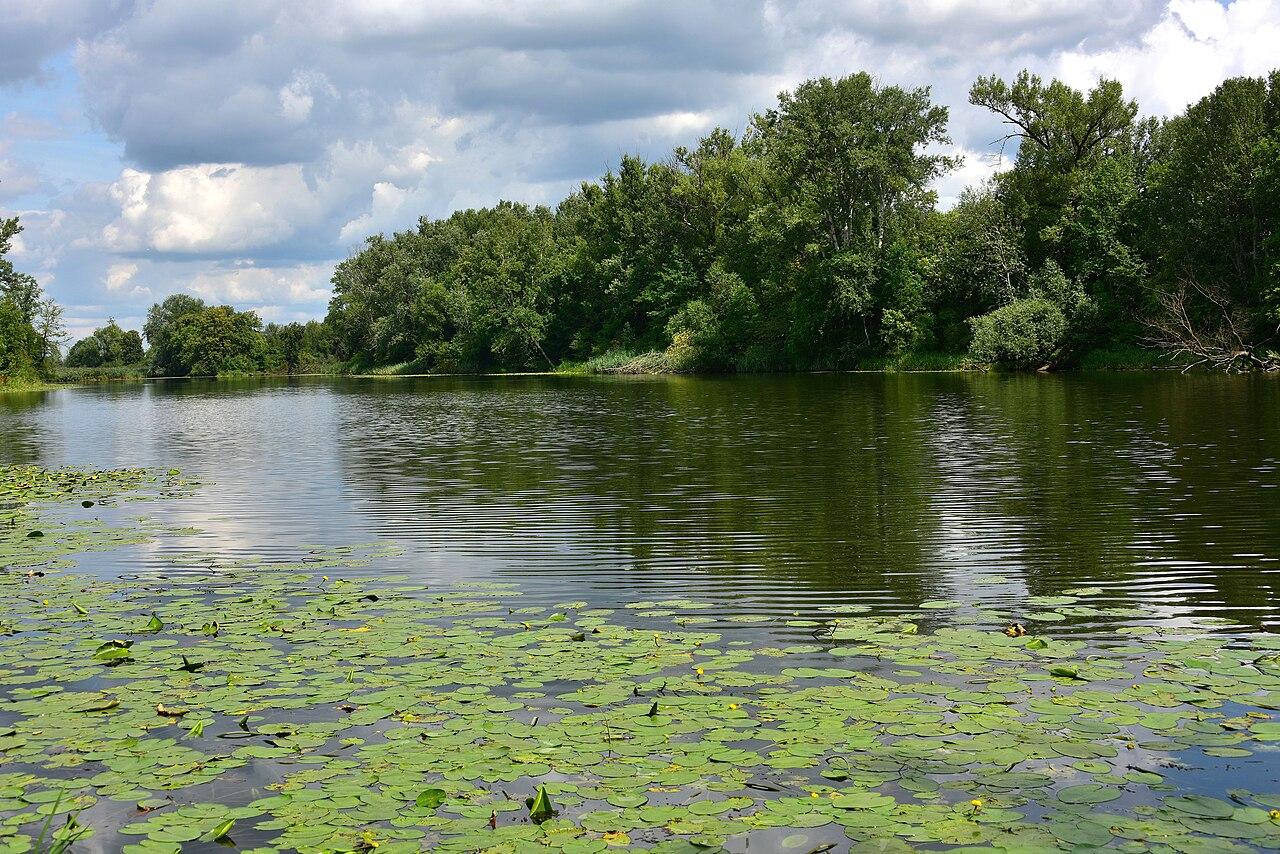
The Wilanówka is just under 14 kilometres long and is a left bank tributary of the Vistula. It flows from south to north, starting in wetlands near Bielawa Nadbrzeże outside Konstancin Jeziorna, running through the Konstancin Jeziorna municipality and, within Warsaw's borders, through Wilanów and Mokotów. Journalists who reached the river in recent days describe a riverbed without water, mud instead of current, and duckweed covered puddles in places where water was still flowing not long ago.
One water network, one problem
The Wilanówka is not isolated from the rest of Wilanów's water. Jezioro Wilanowskie, the local lake, is fed by the Potok Służewiecki stream, and its outflow runs through the Kanał Sobieskiego, about 800 metres long, straight into the Wilanówka and on to the Vistula. Right at that junction, between the lake, the canal and the river, sits the Morysin nature reserve, established in 1996 to protect a riparian forest over a hundred years old and an old Vistula oxbow lake. When water drops in one part of that network, the effects travel further than what you can see from the bank.
The problem is not local. The first half of 2026 was the driest on record in Poland, with rainfall at just 43 percent of the norm. In the first week of August alone, the Institute of Meteorology and Water Management issued 72, then 76, then 78 hydrological drought warnings on consecutive days, more each day, while groundwater and peatland levels in many parts of the country fell to historic lows. Wilanów, with its river, its lake and its reserve, is simply one of the places where that drought is visible to the naked eye.
The district office has not announced any restrictions for residents or a concrete rescue plan for the Wilanówka itself, sticking for now to describing the situation. Still, for anyone who walks past the lake every day or heads toward Morysin, this is a good moment to take a close look at the river, before the autumn rains, if they arrive in normal amounts at all, manage to rebuild anything.